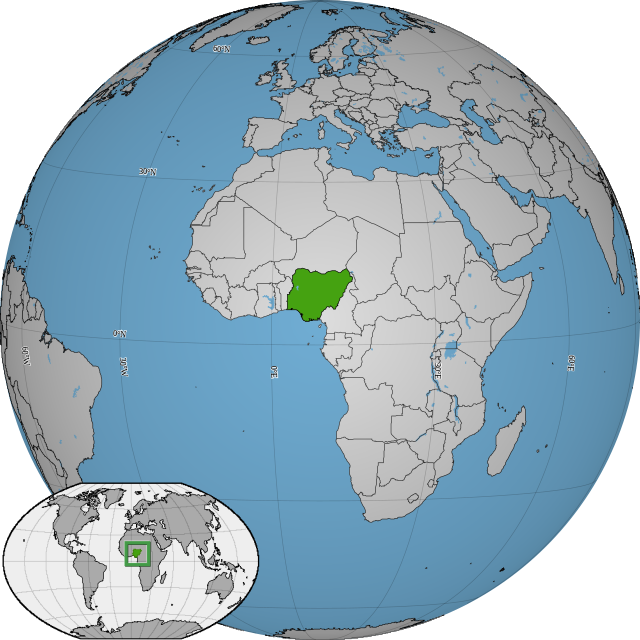
Nigeria, often called the “Giant of Africa,” is a beacon of diversity and cultural richness. This West African nation boasts a complex mosaic of ethnicities, languages, and traditions, making it one of the most fascinating countries on the continent. Nigeria’s history is a compelling saga of resilience and transformation from ancient civilizations to modern-day vibrancy.
The Cultural Tapestry of Nigeria

Nigeria is home to over 200 ethnic groups, with the Hausa, Yoruba, and Igbo being the largest. Each group contributes unique customs, languages, and traditions to the national identity. The Yoruba people, predominantly found in the southwest, are renowned for their advanced urbanization as early as the 11th century, evident in the historical city of Ile-Ife. The Igbo people in the southeast are celebrated for their entrepreneurial spirit and rich cultural festivals. At the same time, the Hausa in the north are known for their craftsmanship and the historic cities of Kano and Sokoto, which were major hubs in the trans-Saharan trade.
Nigeria bursts with cultural festivities that reflect its rich heritage and vibrant spirit. Each region of the country showcases unique celebrations imbued with local customs and traditions. Notably, the Argungu Fishing Festival in Kebbi State is a thrilling competition highlighting fishing skills, attracting thousands of fishermen and spectators. In the southeast, the New Yam Festival, celebrated by the Igbo people, marks the end of the farming season and the beginning of a new one, featuring colorful performances, traditional music, and ceremonial offerings of yams to gods and ancestors as symbols of prosperity. The Ojude Oba Festival in the southwest, particularly in Ogun State, sees indigenes of Ijebu-Ode paying homage to their king in a grand parade adorned with regal costumes and equestrian displays. These festivals, among many others, serve as a means for communal bonding and joy and as a vibrant showcase of Nigeria’s diverse cultural landscape to the world.
The diverse Nigerian culture is also reflected in its arts and music, with traditional dances, festivals, and music styles that have gained international recognition. Nollywood, Nigeria’s film industry, is the second-largest in the world by volume, and it plays a crucial role in broadcasting Nigerian culture globally.
Historical Echoes: From Ancient Civilizations to Colonial Struggles
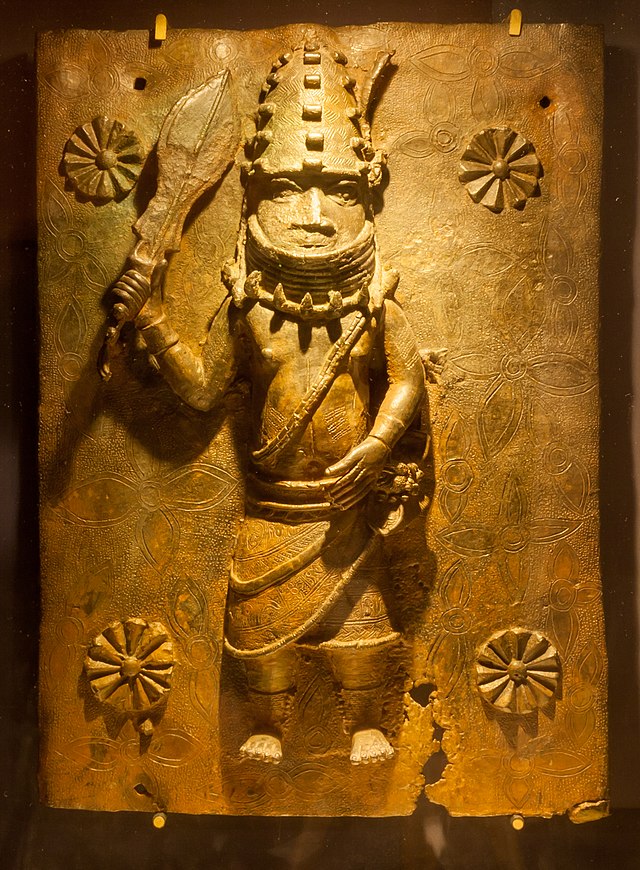
Nigeria’s history dates back thousands of years, with evidence of ancient civilizations like the Nok culture, known for its terracotta sculptures dating back to 1000 BC. The arrival of Islam in the 11th century introduced new religious and cultural dimensions, particularly in the northern regions. The powerful Kingdoms of Ife and Benin in the south showcased advanced governance systems and rich artistic heritage, notably the famous Benin Bronzes.
The transatlantic slave trade, which reached its height from the 16th to the 19th century, marked a dark period in Nigerian history, with millions of Nigerians forced into slavery. Slave traders often raided villages in the interior, capturing men, women, and children who were then marched to coastal slave forts. These captives endured harrowing conditions: bound, overpowered, and often in chains, they were moved in large groups known as coffles.
The transatlantic slave trade, numerous Nigerians were forcibly taken from their homeland. Middlemen and African coastal kingdoms, entangled in the complex web of the slave trade, played roles as both victims and perpetrators in this system. Once at the coast, the captives were confined in overcrowded dungeons where they awaited the harrowing voyage across the Atlantic Ocean on European ships. The brutality of this journey and the inhuman conditions of their capture left deep scars on the social fabric of Nigerian communities, echoes of which are still perceived in modern times.
The impact of this era is still felt today and is a testament to the resilience of the Nigerian people. The British colonization in the 19th century brought significant changes, including the amalgamation of the southern and northern protectorates in 1914, which laid the foundations of modern Nigeria.
The Yoruba People
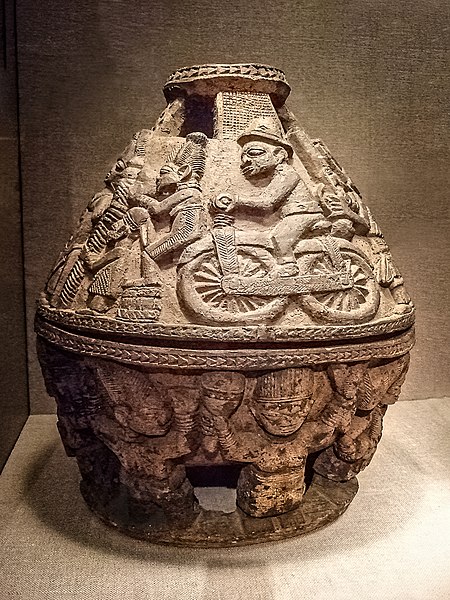
The Yoruba people are one of Nigeria’s largest ethnic groups, primarily residing in the southwestern part. Renowned for their rich cultural heritage, the Yoruba are deeply rooted in tradition and spirituality, with a complex system of deities and ancestral worship that influences their daily lives. Their society is well-organized, comprising various city-states and kingdoms like Ile-Ife and Oyo, which have historically been centers of political leadership and cultural development. The Yoruba are also famous for their art, especially their highly detailed and symbolic sculptures and masks. Moreover, they celebrate an array of festivals and ceremonies, with the annual Egungun festival dedicated to honoring the spirits of ancestors being one of the most vibrant, showcasing elaborate costumes and spirited dance performances.
Independence and Beyond: Shaping Modern Nigeria
Nigeria gained independence from Britain on October 1, 1960.
Nigeria’s journey to independence culminated on October 1, 1960, a significant milestone that marked the end of colonial rule and the birth of a new nation. This pivotal moment resulted from a concerted push for self-governance that began decades earlier, driven by a burgeoning nationalist movement. Figures such as Nnamdi Azikiwe, Obafemi Awolowo, and Ahmadu Bello emerged as leading voices advocating for autonomy and unity, each playing instrumental roles in the negotiations for freedom. Their efforts and the growing desire among Nigerians from various regions to self-determine their future facilitated a relatively peaceful transition to sovereignty. The achievement of independence ignited a wave of optimism across the nation, setting the stage for Nigeria to forge its own path as a democratic entity in the global community. The post-independence era was tumultuous, characterized by military coups and the devastating Biafran War from 1967 to 1970. However, returning to civilian rule in 1999 heralded a new era of democracy and growth. Today, Nigeria is a federal republic with a dynamic political scene and a growing economy driven by its oil and agriculture sectors.
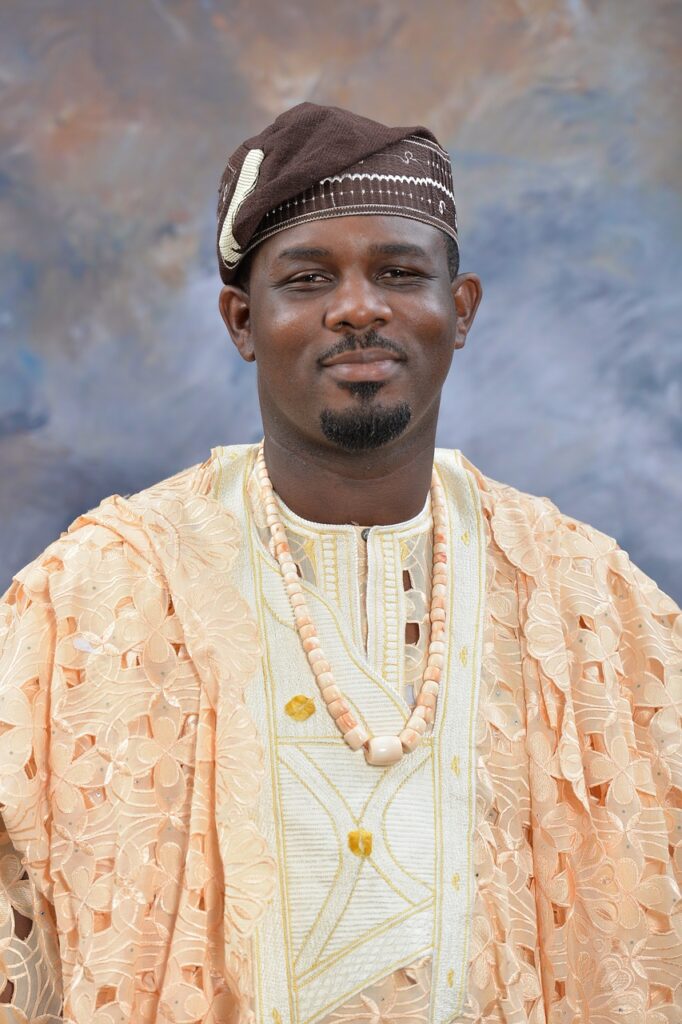

Nigeria thrives culturally and socially despite political instability, economic disparities, and security concerns. The Nigerian people are known for their resilience, hospitality, and vibrant spirit, integral to the nation’s identity.
Nigeria’s Natural Wealth and Geographical Diversity
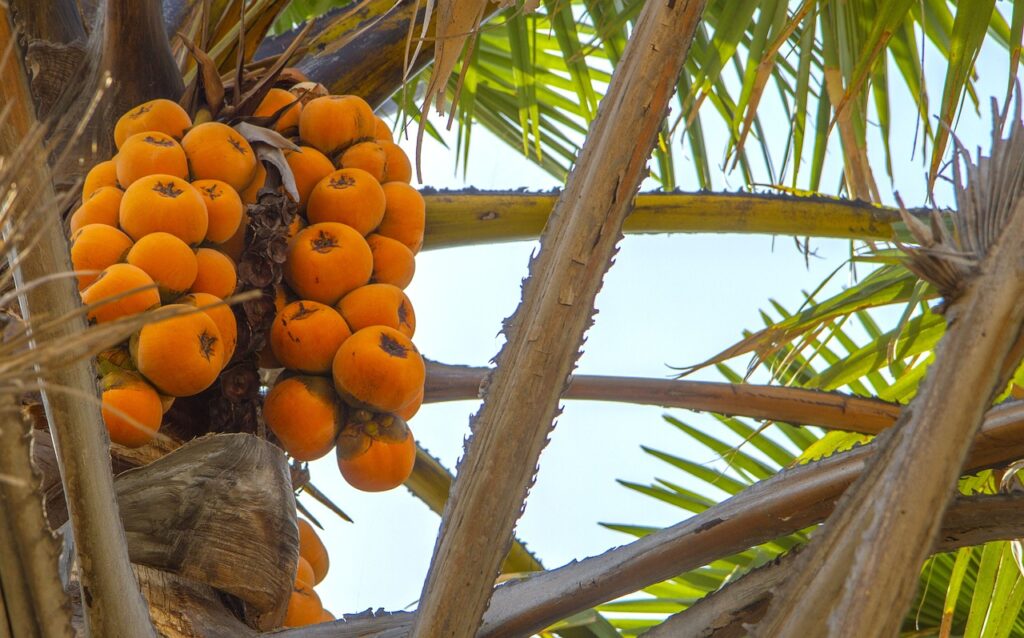
Geographically, Nigeria is as diverse as its culture. The country features lush rainforests, savannahs, the Niger Delta, and impressive landmarks like the Zuma Rock. Nigeria’s biodiversity is vast, with numerous species of flora and fauna, some of which are endemic to the region.
The natural resources of Nigeria are a significant asset, with the country being one of the largest oil producers in Africa. However, the wealth from natural resources has also brought challenges, including environmental damage and disputes over oil revenue distribution.
Conclusion: Celebrating Nigeria’s Legacy

Nigeria, with its rich history, diverse cultures, and abundant resources, continues to play a crucial role in shaping the African continent’s narrative. As we explore the depths of Nigeria’s past and present, we see a country poised for a bright future firmly rooted in the strength and diversity of its people. Nigeria is not just a land of historical landmarks and natural resources but a vibrant community of people who continue to shape their destiny with resilience and pride.
This exploration into Nigeria’s journey from ancient times to the present day reveals a nation rich in history, culture, and potential. As Nigeria continues to grow and evolve, it remains a profound testament to its people’s enduring spirit and capacity to overcome challenges.